
Our Focus

We are passionate about what we do

and we focus on what we know

Why?... Because it works

Play & hand function (fine motor skills)

Play & hand skills are not isolated skills, but they are interrelated with many other motor and processing skills.

For example, a student’s or adults writing, artwork (cutting with scissors) or performing tasks is determined by their body position in relation to the environment, or visual perception, gross motor skills, ability to sustain performance on a task, applying knowledge, temporal organization, organizing space and objects, adapting performance, body awareness, spatial awareness and other skills. Sometimes these skills were never developed, other times this skills may have been lost following a health concern.

Hand skills and abilities play a crucial role in determining how well you can do things. For children fine motor skills determines participation in the age-appropriate activities that require various levels of complexity at each stage of their development. The initial step in improving hand skills is the early identification of any limitations or difficulties, which serves as a starting point for implementing a graded intervention approach.

Visual skills / visual perception/processing

Visual perception refers to the brain’s capacity to recognize, comprehend, and process visual information received through the eyes.

Various signs can indicate visual perception difficulties, such as experiencing frustration during reading and writing, lacking enjoyment in craft and tabletop activities, encountering collisions with people and furniture, and exhibiting low self-esteem and confidence.

Visual tracking and saccades often manifest as reading challenges, including skipping words or confusion about the current line being read.

Gross motor skills

Gross motor skills involve the activation of large muscles in the body and require whole body movement. Gross muscles are used in the torso, legs and arms as a precursor to the development of fine motor skills.
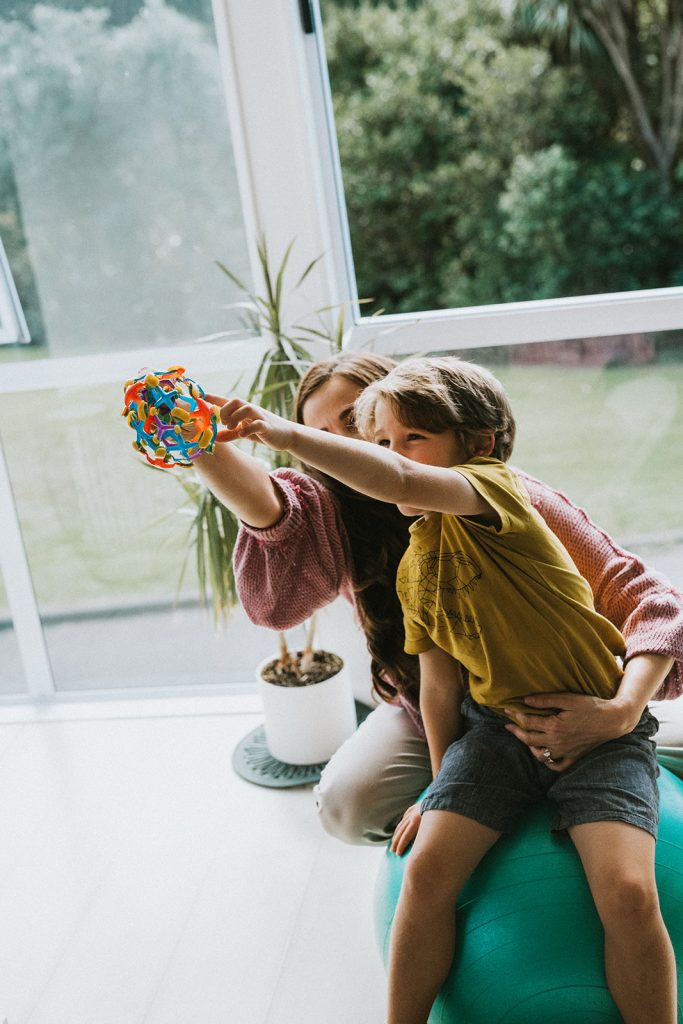
Adults will loose some muscle strength if not regularly engaging in some sort of physical activities and this will impact many areas of daily function.

School age children who struggle to carry a backpack, ride a bike, jump, climb, skip or are anxious in the playground are more likely to have gross motor difficulties. Gross motor skills influence the quality of a child’s performance at school, home, leisure.

Difficulties in the area of gross motor skills can also impact confidence and self-esteem.

Self cares & Life Skills?

To foster independence, it is crucial to understand the significance of taking care of own body.

Knowledge of self-care enables all ages to develop awareness of their physical and emotional well-being. Self-care skills play a role in managing stress, improving relationships, and promoting overall mental and physical wellness.

Fundamental self-care abilities, such as dressing, toileting, teeth brushing, and participating in household tasks, are vital for cultivating independence and becoming active, lifelong contributors to society.

As self-care requirements vary across different developmental stages, occupational therapists can provide guidance and support to both adults and childreen in meeting these needs, as they serve as essential skills for overall life competence.

Anxiety

Anxiety can have a wide-ranging impact on people, affecting various aspects of their lives.

It can manifest through feelings of worry, fear, irritability, anger, and disrupted sleep patterns.

Additionally, physical symptoms such as fatigue, headaches, and stomach aches may also be present. Following the completion of an assessment, it may be revealed that anxiety is a secondary concern, arising from difficulties in acquiring the essential skills needed for active participation, performance, and success in school, work or other situations.

Let’s now examine strategies to offer support and assistance in addressing these challenges.

Sensory Processing

Sensory processing is the innate ability humans have to organize, interpret and filter the information our bodies receive from our senses. (Northern Territory Department of Health and Community Services, 2006).

Dysfunction occurs when a person has difficulty processing and responding functionally to incoming sensory input.

Based on initial assessment we can recommend individualized sensory processing interventions.

Myofascial Release Treatment involves a passive method of releasing the fascia by engaging in slow, deliberate movements that target deep muscle tissue and facilitate sensory proprioception. While active release of the fascia by the child themselves is also possible, it requires them to possess the necessary ability to follow instructions and maintain attention. The passive approach of myofascial release treatment is commonly preferred by parents as it effectively reduces anxiety, alleviates body tension, and relaxes muscle contractions.

Additionally, myofascial release treatment offers numerous other benefits.

For more info on myofascial release treatment please follow this link.

Home/School/Community/Work/ Community:

Occupational Therapists (OTs) are needed to support individuals in developing and improving the skills necessary for meaningful engagement in various occupations. They specialize in evaluating and intervening in areas such as sensory, motor, and executive functioning, which directly impact an individual’s ability to perform everyday tasks.

An OT’s role involves conducting ongoing assessments of the individual, their environment, and the occupation being performed (PEO model). This comprehensive evaluation helps identify any gaps or challenges in the individual’s skills and functioning across all environments. Based on the assessment results, the OT can then implement targeted strategies to facilitate new learning, develop coping mechanisms, and enhance overall performance.

The physical and social environments plays a crucial role in skill development. OTs recognize that environmental constraints, such as limited accessibility or lack of support, can hinder active participation and limit opportunities for skill acquisition. By addressing these barriers and creating supportive environments, OTs enable individuals to overcome challenges and fully engage in meaningful occupations.

In summary, individuals may benefit from the expertise of an OT when they require assistance in improving their skills, adapting to environmental demands, and maximizing their participation in daily activities.